Comfort in residential interior design is sometimes mistaken for something purely decorative.
Plush cushions and the finest fabrics may seem like comfort, but real comfort is built into a home’s structure. It is integrated long before the final styling, and it’s based on how a home functions and how it responds to your physical needs.
When comfort is prioritized, the result is a home that seems natural and intuitive, functioning quietly in the background, without effort or distraction.
Below, we explore where meaningful comfort in interior design begins.
Proportion and Scale
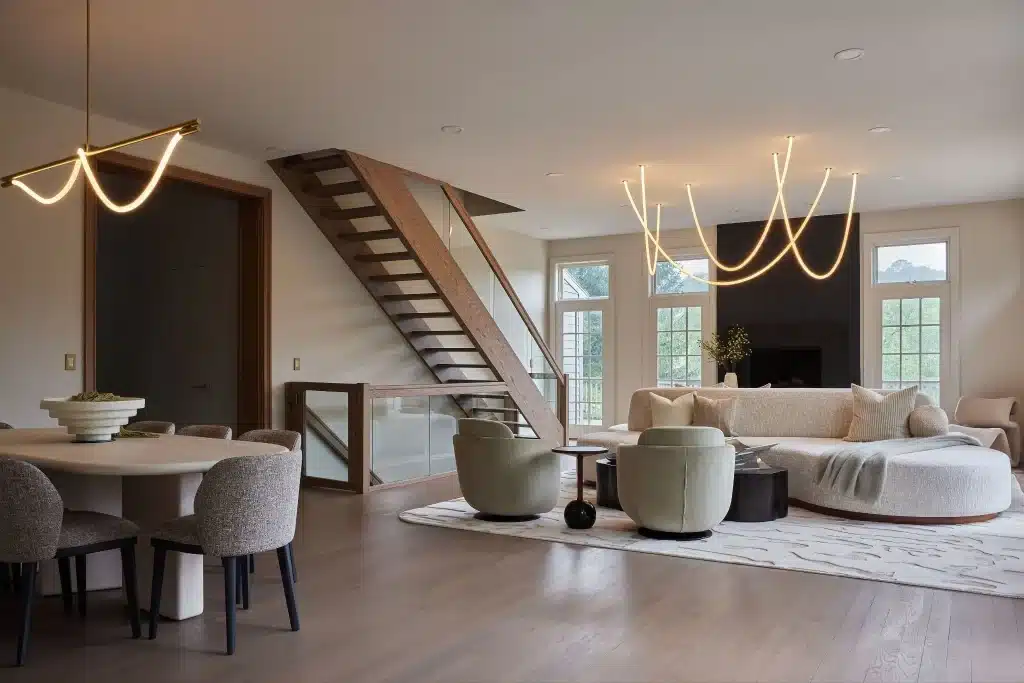
Proportion and scale in interior design are how a space is experienced before anything else. They influence balance and physical ease.
If you carefully consider proportion and scale, a room feels settled. Without it, you get the sense that something is off.
Some key considerations include:
- The relationship between furniture size and room dimensions
- Ceiling height in relation to lighting and vertical elements
- The balance between filled space and open space
- How furniture depth and height fit the body
For example, a sofa that is too deep in a smaller room can make movement feel restricted. An undersized dining table in the room can feel disconnected and visually lost. These mistakes affect how comfortable a space feels to use and inhabit.
When the proportions are right, everything feels aligned. Your body relaxes into the space without resistance.
Layouts Designed for Flow
A home is something you move through constantly, and functional interior design determines if that movement feels smooth.
Designing for flow means understanding how you naturally navigate your space. It considers pathways, transitions, and the relationship between spaces.
Thoughtful layouts include:
- Clear and unobstructed circulation paths
- Logical connections between rooms
- Furniture arrangements that allow for both movement and use
- Defined zones for different activities within open spaces
In a well-designed kitchen, for example, the distance between preparation, cooking, and cleaning areas feels natural. In a living room, seating encourages conversation while still allowing easy movement around the space.
Flow is both physical and emotional. When movement is intuitive, the home feels calm and perfectly attuned to your needs.
Ergonomic Considerations
Comfort is a physical reality. It is found in the subtle ways a home accommodates the body’s movement, rest, and settling into its surroundings. These choices are quiet, yet they define the daily experience.
Consider the following:
- Seat depths that allow the body to sit in a natural posture
- Counter heights tailored to the flow of daily tasks
- Storage and reach ranges that feel instinctive rather than strained
- Generous clearances that allow for unhindered movement
If ergonomics are addressed early, they become part of the home’s experience. You don’t notice them consciously.
Integrated Storage
Clutter interrupts comfort. It creates visual noise and frequently reflects a lack of alignment between a space and its use.
Integrated storage tackles this at a core level by giving everything a place from the beginning.
Effective storage design includes:
- Built-in cabinetry that blends with the architecture
- Hidden storage solutions that reduce visual clutter
- Storage placed exactly where items are used
- A balance between accessible and concealed spaces
The goal is not minimalism for its own sake. The goal is clarity. When storage reflects your daily habits, keeping order becomes natural.
Material Selection
Materials shape how a home feels to live in. Timeless interior design relies on choices that make sense for daily life rather than restricting it.
In comfortable homes, you can find materials that:
- Age gracefully over time
- Require reasonable maintenance
- Feel good to the touch
- Accommodate everyday activities
For example, a surface that is overly delicate can create hesitation. You may feel the need to protect it rather than use it. In contrast, materials that can handle wear let you relax and fully engage with your space.
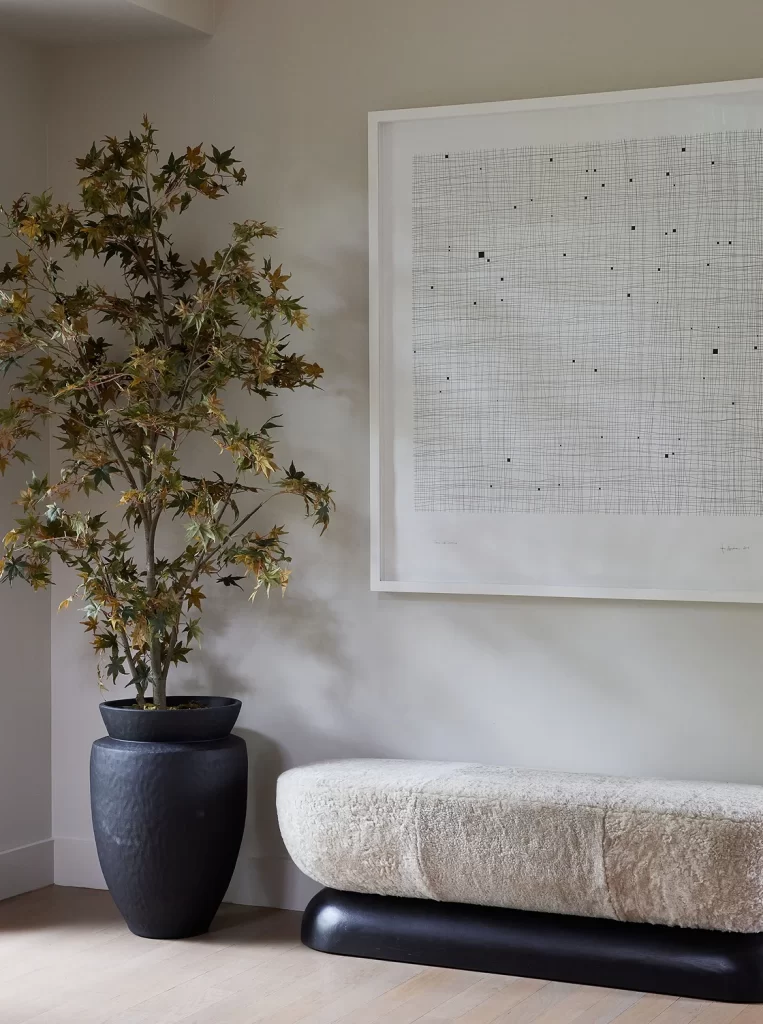
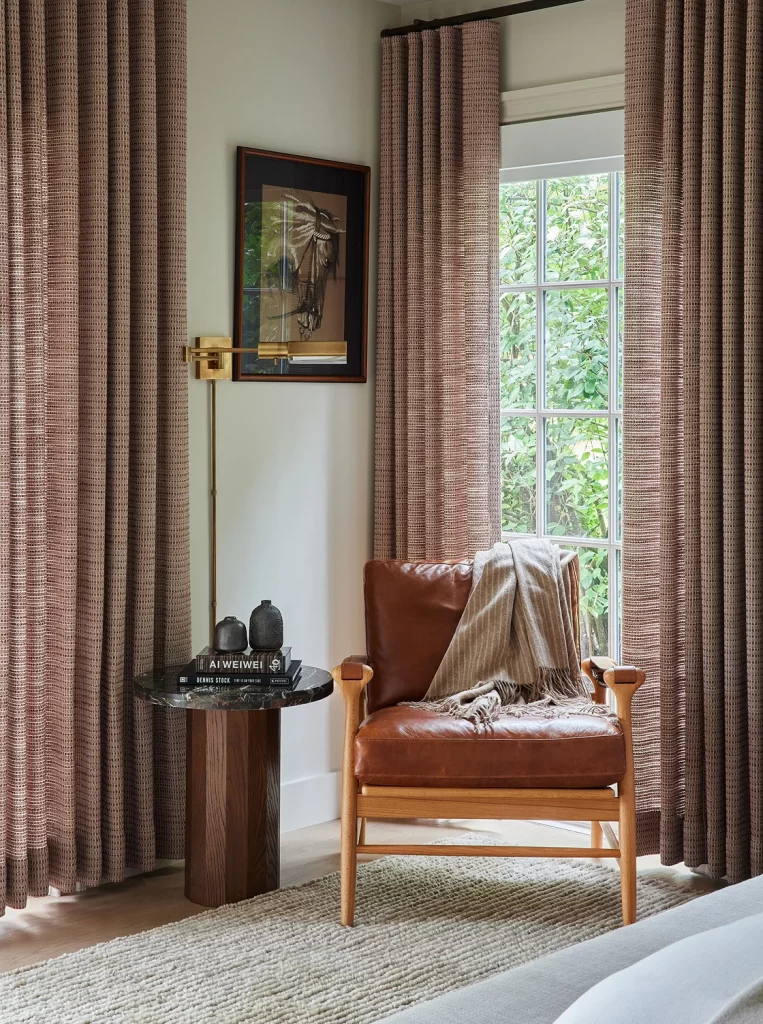
Texture also fulfills a role. The warm feeling of wood, the softness of fabric, and the solidity of stone can add a layered, sensory feeling that improves comfort.
Why Comfort Must Be Considered Early in the Design Process
Comfort shouldn’t be added at the end of a project. Following interior design best practices means building ease into the process from the very first consultation.
Initial Consultation & Collaboration
Every project begins with an honest look at daily rhythms. By identifying where a current space creates friction and where it offers ease, the design remains grounded in the reality of life.
Concept Development
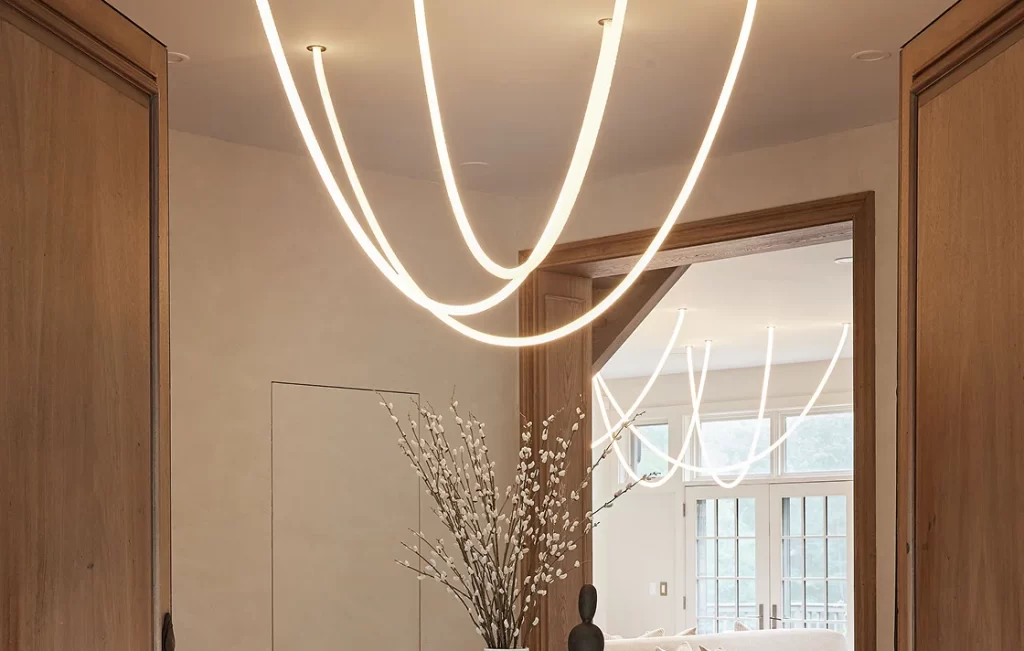
This is where needs translate into spatial ideas. It is an exploration of how rooms connect, how light creates warmth, and how an initial layout can intuitively guide movement.
Design Execution
Once the concept is set, it’s good to define the details that make a home function. This includes finalized floor plans, custom cabinetry, and material selections that balance durability and a tactile, human connection.
Project Management and Coordination
Bringing a design to life calls for precision. By managing timelines and sourcing, it protects the integrity of your vision, making sure the comfort planned at the outset is not compromised during the build.
Installation and Final Reveal
The process concludes when the design becomes a lived experience. As the final details click into place, the goal is for a home to feel entirely ready for the beauty of daily life.
Design a Home That Comforts You
Interior design comfort aligns life with its environment.
Making sure proportions are balanced, movement is intuitive, and materials are designed for daily use helps your home feel effortless. Instead of you adjusting to the space, it yields to you.
Transforming a house into a sanctuary that prioritizes both visual beauty and emotional ease is a collaborative process. If you’re in New York, New Jersey, Connecticut, and Florida and looking to bring that sense of comfort to a residential interior design project, contact Atelier CV.